
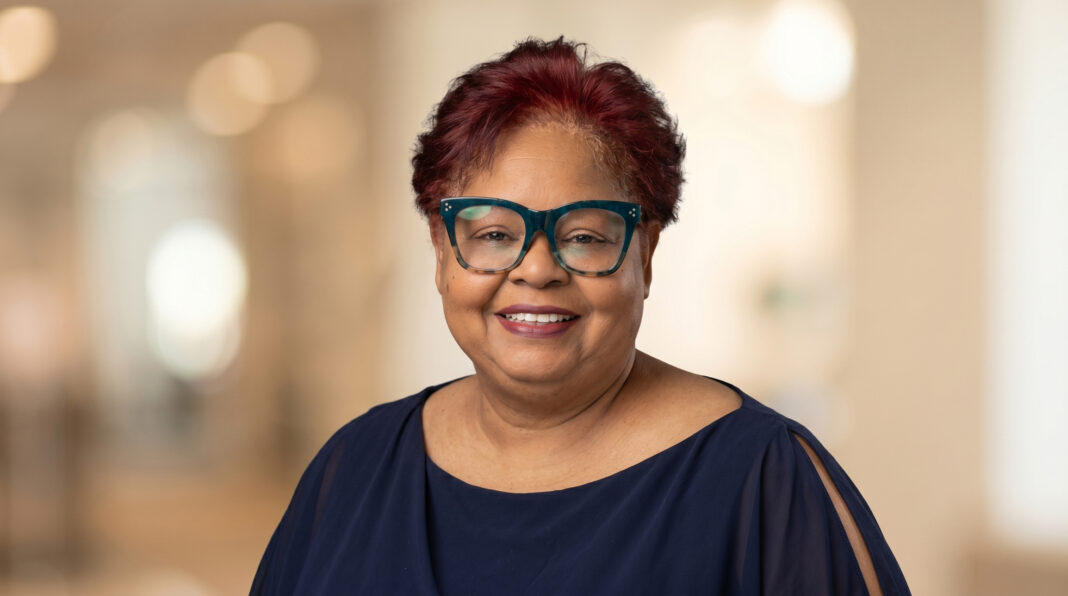

Education has long been measured by grades, test scores, and standardized outcomes. But for Cynthia Hammond, learning has always been about something deeper: connection, curiosity, movement, emotions, and helping children understand themselves as much as they understand the world around them.
As founder of Hammond Harmonies and creator of the Stand to Scan Whole Body Learning System, Hammond is building a learning framework that reaches beyond traditional education models. Combining health literacy, storytelling, science, creativity, emotional awareness, and physical engagement, her vision is centered on helping children learn in a way that feels meaningful and human.
Yet behind this innovative educational concept is not only a founder or educator—but a lifelong creator.
The Entrepreneurial Spirit Started Early, Hammond’s story began much earlier than one might expect.
Growing up in a school founded by her parents in Texas, she discovered her instinct for leadership and innovation while still in kindergarten. During recess, with limited equipment available, she created games for classmates in exchange for candy.
It was an early lesson in creativity, problem-solving, and understanding people—skills that would quietly shape the direction of her future.
“I created games off the cuff,” Hammond recalled during her interview. “They would bring me candy, and that was our arrangement.”
Though the childhood business model was eventually shut down by adults, the entrepreneurial instinct never disappeared.
From Nursing and Community Health to Educational Innovation, Professionally, Hammond’s background in nursing education and community health exposed her to challenges that extended far beyond physical health.
Working with children and families, she observed gaps that traditional systems often overlooked—particularly in emotional understanding, engagement, and how children process information.
She began noticing patterns:
Children were often expected to absorb information passively, despite naturally learning through movement, curiosity, and interaction.
Those observations planted the seeds for what would later become Stand to Scan.
Rather than treating education as a one-size-fits-all process, Hammond envisioned a system that embraces the whole child.
“First we have curiosity, exploration, clarity, interaction,” she explained. “That’s my philosophy.”
Building Something That Doesn’t Yet Exist, Creating something entirely new rarely follows a clear roadmap.
Like many innovators, Hammond has faced moments of uncertainty throughout her journey. She openly shared experiences of approaching schools and administrators who expressed interest but hesitated to fully commit.
Those moments brought inevitable questions.
Am I on the right track? Should I keep going?
But instead of allowing doubt to become a stopping point, Hammond used it as fuel.
“I’m going to keep going,” she said. “I feel someone down the road is going to let me in and take a chance on me.”
For Hammond, passion has remained stronger than hesitation.
Success Beyond Titles and Recognition, While many founders define success through revenue, expansion, or public recognition, Hammond views it differently.
Her vision is rooted in impact.
Success, she says, would mean entering a classroom, launching a pilot program, and seeing students genuinely benefit from the experience—seeing schools embrace and adapt the framework because it creates meaningful change.
At its core, success means helping children learn in ways that help them understand themselves.
A Message for Women With Big Ideas, Toward the end of the conversation, Hammond offered advice for women pursuing ideas that feel unconventional or difficult to explain.
Her answer carried the same warmth and conviction that defines her work.
“If you have an idea, write it down,” she said. “Explore the idea. I don’t care what people tell you—explore it.”
For Hammond, ideas are more than random thoughts.
She believes they are gifts—possibilities that deserve attention and nurturing rather than dismissal.
“Don’t give up on the gift,” she said.
What Cynthia Hammond is creating extends beyond curriculum design or educational tools. It represents a broader shift in how learning itself can be understood.
Her work asks an important question:
What happens when education becomes less about memorization and more about helping children connect—with information, with emotions, and with themselves?
As Hammond continues building her vision, one thing is clear: she isn’t simply designing another educational framework.
She is helping shape a future where learning feels more alive.
And for many children, that future may be exactly what education has been missing.
How to Reach Cynthia
Watch the Full Interview: https://youtu.be/7JsOqatqd2M